
Background
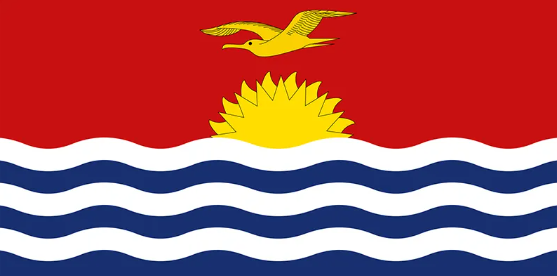
Kiribati (pronounced “kiribass”) is a Pacific Island nation in the central Pacific Ocean, straddling the equator across 33 atolls and reef islands. Its extreme geographical dispersion creates unique challenges for telecommunications infrastructure — limited resources and rising sea levels compound the difficulty of achieving comprehensive coverage. The New Zealand Government is actively supporting Kiribati’s digital development, and that’s where Teltrac comes in.
Brian Theobald, one of Teltrac’s founders, is a recognised expert in optical fibre across the Australasian telecommunications industry, with over 30 years of project experience. After an initial visit to Kiribati in 2022, Brian returned in October 2023 for a second 10-day stint. Teltrac acknowledges Elemental Group — a New Zealand consultancy renowned for unbiased advice on energy projects — whose involvement was instrumental in making this optical fibre project a reality.
The Mission
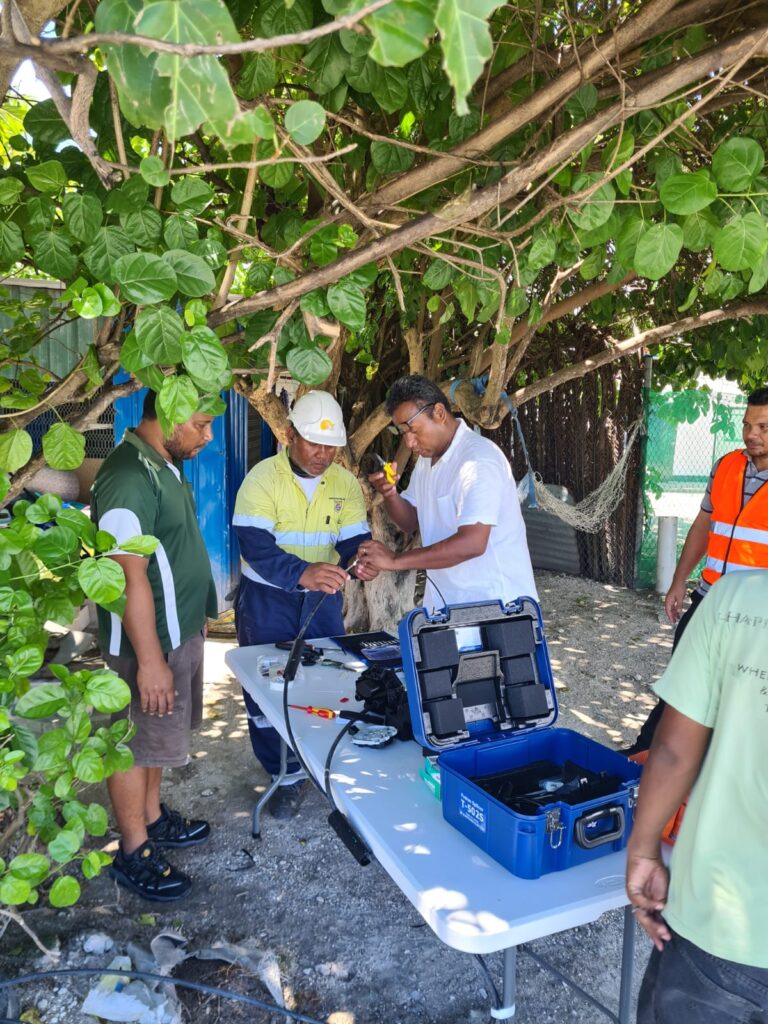
This visit had two clear goals: train the local technicians and supervise repairs to the existing fibre infrastructure. Brian’s training covered a wide range of topics — from health and safety (eye protection, disposal of off-cuts) to international ISO standards for fibre cores. He also led a structured troubleshooting and fault-finding exercise, as a number of repairs made by other parties in recent years had begun to fail.
The Work
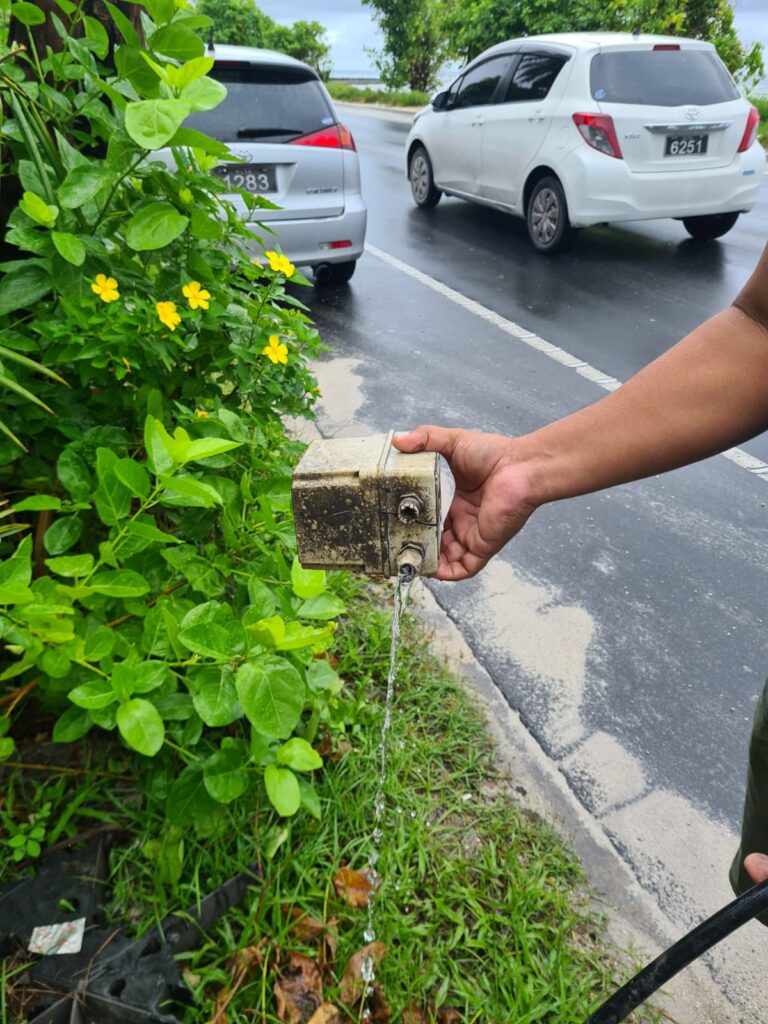
Several fibre optic cable joints required replacement along a 7-kilometre path. Working conditions were demanding — extreme humidity, heavy rain, and the constant threat of seawater intrusion made every task more complex. Brian lost a few kilograms over two weeks.
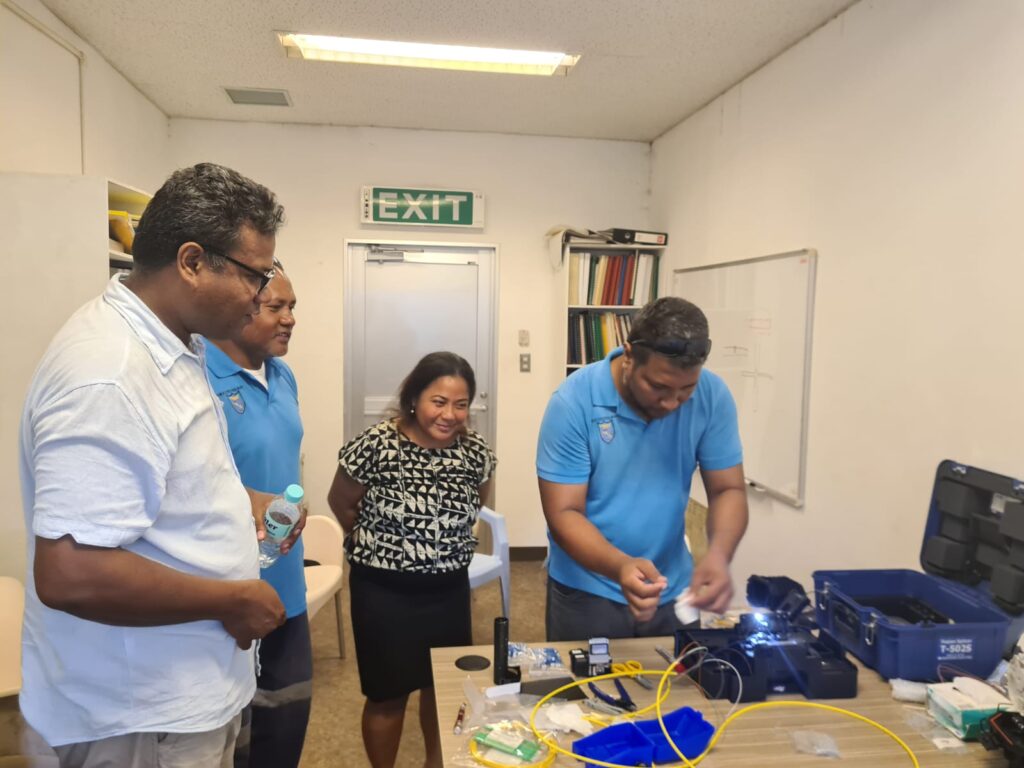
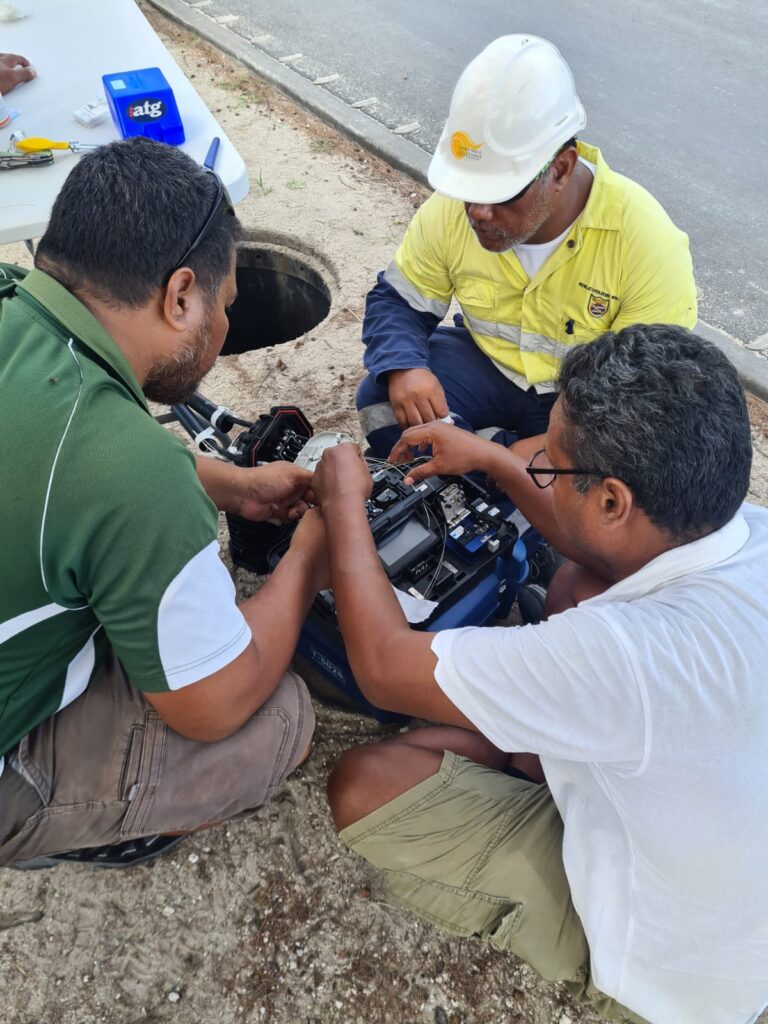
Vandalism of telecommunications infrastructure is a significant problem in Kiribati — people sometimes mistake fibre cable for copper and attempt to remove and resell it. The majority of manholes and fibre pits were found full of water, sand, or debris, highlighting the need for lockable pit covers across the network.
Challenges on the ground
- Multiple fibre optic joints failed along a 7 km route, requiring replacement
- Seawater intrusion and extreme humidity complicated every repair
- Widespread vandalism — fibre cable mistaken for copper and pulled from infrastructure
- Most manholes and fibre pits found filled with water, sand, or rubbish
- Lockable pit covers identified as an essential infrastructure requirement
Results
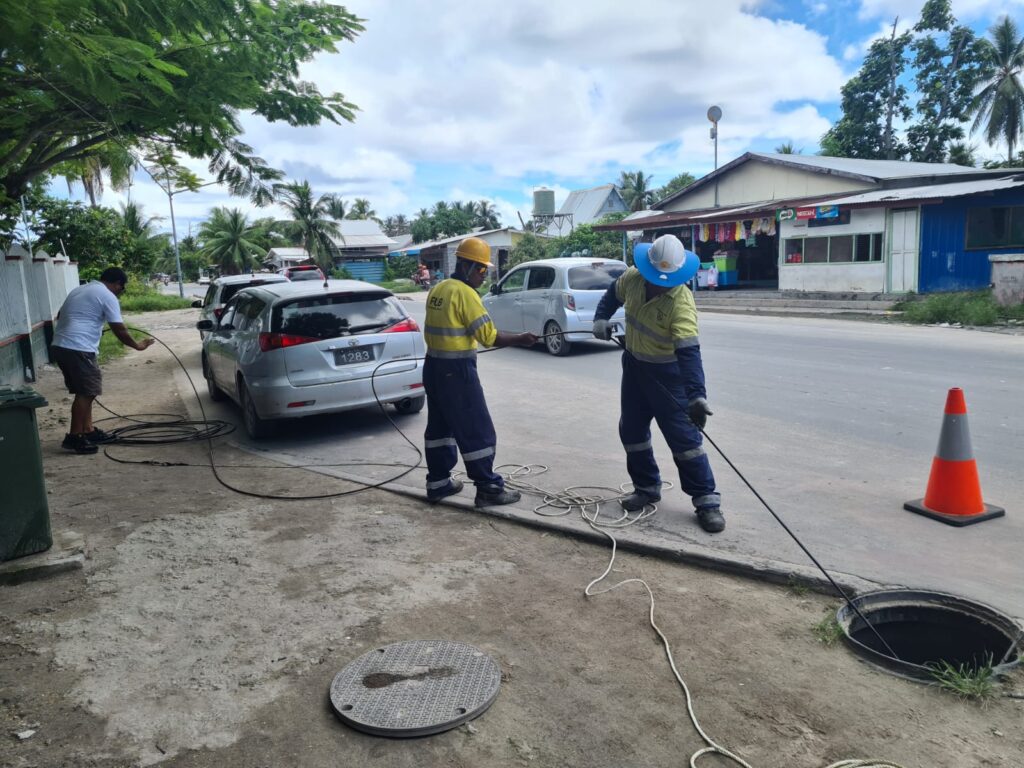
The practical impact was immediately visible. The Power Station manager — who can now monitor the output from the solar farm in real time — was, in Brian’s words, the happiest he’d ever seen him. With visibility into solar generation, the team can adjust generator loading accordingly, helping to reduce fuel consumption across the facility.
The local technicians demonstrated strong skills and a genuine enthusiasm for learning. Further training is still needed — specifically around pulling fibre optic cables through ducts, centralising data switches and cabling in cabinets, and installing additional fibre runs. A third visit will be required to complete this work.
Conclusion
This trip was a success. Brian extended an open invitation to the local technicians to visit Christchurch for further training and hands-on work experience — a testament to the quality and commitment of the team in Kiribati. It’s great to see the nations of the Pacific supporting each other.