
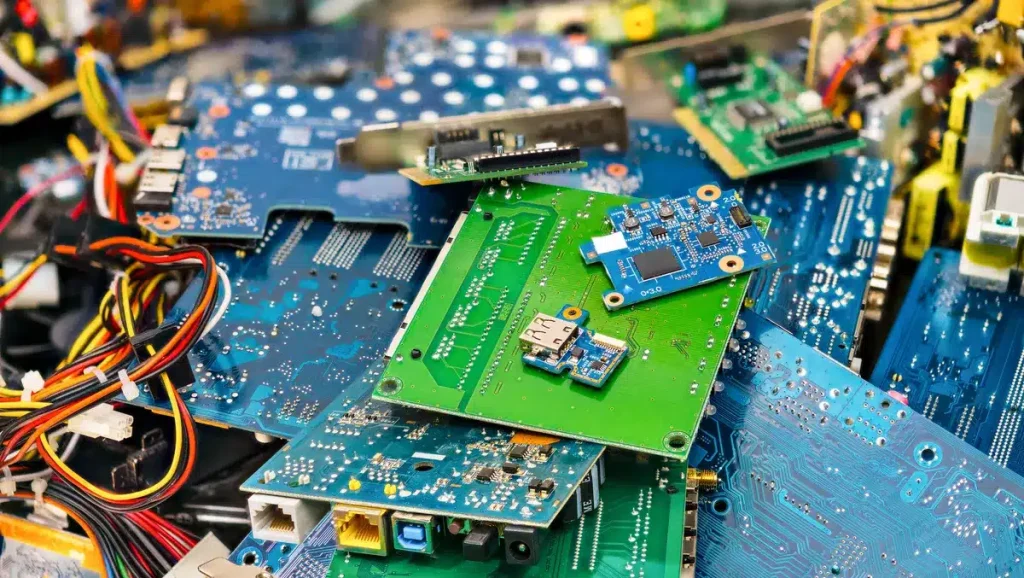
e-Waste
New Zealand is the only country in the OECD without a national e-waste scheme. While New Zealand has AS/NZS standards for e-waste recycling practices, these are not mandatory.
The average New Zealander produces more than 20 kilograms of e-waste every year — one of the highest per capita amounts on the planet — yet we’re the only country in the entire OECD without a national e-waste scheme.
Of the 80,000 or so tonnes of e-waste we produce each year, the best estimates suggest we recycle less than two percent of that total — a mere 1,600 tonnes.
What is e-waste?
Basically, anything with an electrical cord that needs to be disposed of is classed as e-waste.
When damaged or unwanted e-waste is dumped in landfill, toxic substances such as lead and mercury contaminate land and leach into water sources, causing harm to fish and animal life and polluting the air. E-waste items often contain valuable non-renewable resources such as aluminium and cobalt, so throwing them away means we are having to mine the earth to produce more of these materials.
Why do we charge for e-waste disposal?
Currently the process for recycling components from e-waste in New Zealand is very labour-intensive, so costs are determined by labour costs, landfill costs and the price of materials removed.
Mechanical processing rather than manual labour is becoming more common overseas but there is still a cost involved in collecting and shipping to those countries.
Ways to reduce e-waste
There are ways of reducing the amount of e-waste we generate:
- Can the item be reused? Can you donate it to charity or give it to a friend or family member? Can it be upcycled?
- Will the manufacturer take it back? Check to see if they have a product stewardship programme where they take back the item they made for recycling.
Always dispose of items at the e-waste area, which will enable the product to be recycled correctly and reduce harm to the environment.